Registrations are now open – secure your place

Oceans of Data

Conference 2026

The Oceans of Data Conference is a national, one-day event bringing together researchers, industry and government to explore how data-driven approaches are reshaping ocean science, engineering and decision-making across Australia’s marine and offshore sectors.

Event Overview

Data-enabled advances in observation, modelling and analytics are transforming how we understand and work in the ocean environment. This conference provides a forum to share emerging capabilities, real-world applications and future opportunities at the intersection of ocean science and data innovation.

Keynote Speakers

Learn more about our featured speakers.

Professor Tony Haymet headshot

Professor Tony Haymet

Australia’s Chief Scientist

PhD, FTSE

Professor Haymet is an emeritus distinguished professor of oceanography. He has researched and taught for many years in Australia and in the United States, including as Established Chair of Theoretical Chemistry at the University of Sydney.

From 2002 to 2006, Prof Haymet was chief of CSIRO Marine and Atmospheric Research, based in Hobart, Tasmania. From 2006 to 2012, he was Vice-Chancellor, Director and Distinguished Professor of Oceanography, at the Scripps Institution of Oceanography at the University of California, San Diego.

In 2010, Prof Haymet and a colleague at the Scripps Institution established MRV Systems LLC, a company that manufactures ocean robots. The autonomous drones take chemical and physical measurements across the world’s oceans.

Prof Haymet was a board member and Chair of the Antarctic Science Foundation (2020-2025), a board member of Worldfish, based in Penang (2017-2020), and served on the Oceans Council of the World Economic Forum (WEF) including as Chair.

He was Director, Oceans, at the Minderoo Foundation where he established a philanthropic research program (2020). He is a Fellow of the Australian Academy of Technological Sciences and Engineering (ATSE) and the Royal Australian Chemical Institute (RACI).

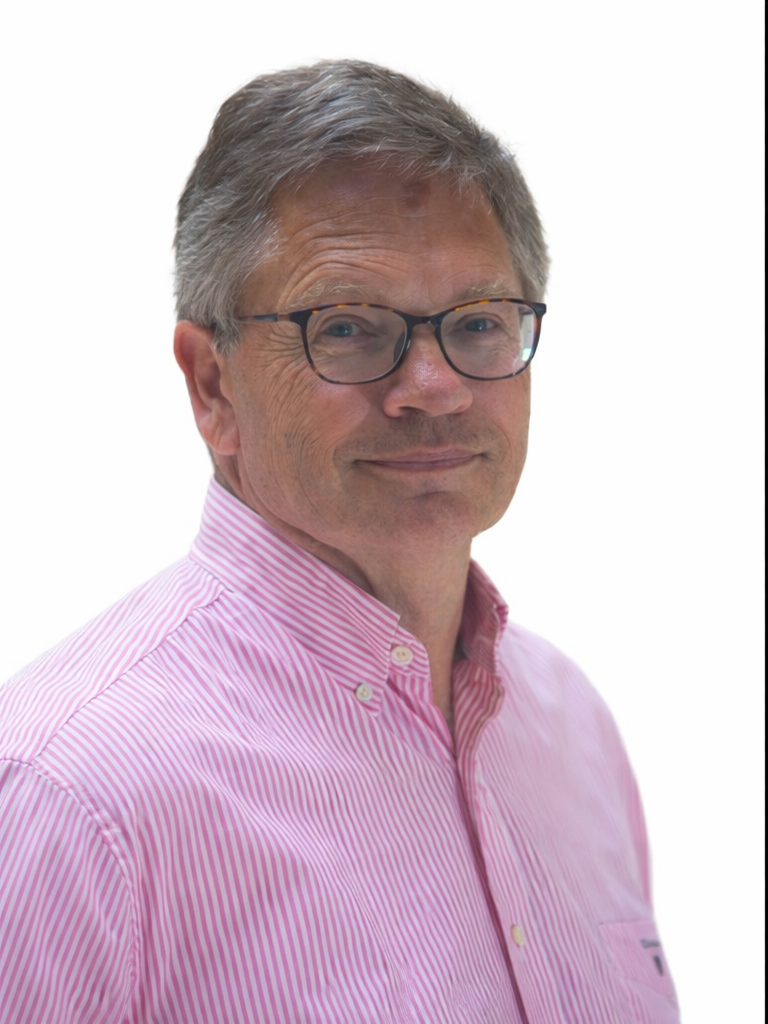
Professor Hugh Durrant-Whyte headshot

Professor Hugh Durrant-Whyte

New South Wales Chief Scientist & Engineer


Hugh Durrant-Whyte is NSW Chief Scientist and Engineer. From 2017-18 he was Chief Scientific Advisor to the UK Ministry of Defence, from 2010-2015 he was CEO of National ICT Australia (NICTA), and from 1995-2010 he was the founding Director of the Australian Centre for Field Robotics (ACFR) and of the ARC Centre of Excellence for Autonomous Systems (CAS) and a Professor at the University of Sydney.

He has published over 250 research papers and founded three successful start-up companies. He is one of the most highly cited engineers and computer scientists in Australia and one of the most highly cited roboticists in the world.

He is particularly well known for his work with Patrick in delivering the automated container terminals in Brisbane and Port Botany, and for his work with Rio Tinto in pioneering the automated “Mine of the Future”.

He has won numerous awards and prizes for his work, including being named the 2010 NSW Scientist of the Year. He is an honorary fellow of the Institute of Engineers Australia (HonFIEAus), a fellow of the IEEE (FIEEE), of the Australian Academy of Science (FAA), of the Royal Academy of Engineering (FREng) and of the Royal Society of London (FRS).

Featured Speakers

Additional speakers confirmed for the Oceans of Data conference.
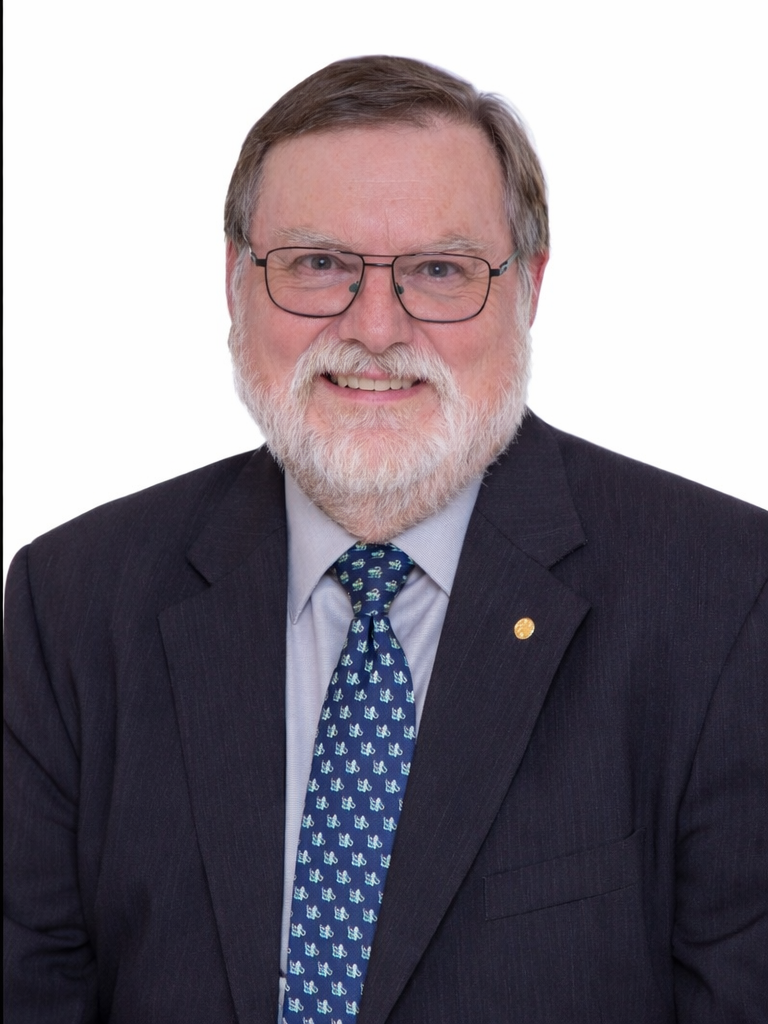
Bob Currier headshot

Bob Currier

Data Scientist | Texas A&M University - Oceanography

Enterprise AI Architect, OCEANCODA LLC

The ocean sciences have long excelled at collecting data. From Argo floats to autonomous underwater vehicles, from hydrophone arrays to satellites, our observing systems generate data at a scale and complexity that continues to grow.

Yet the infrastructure through which that data flows — the metadata schemas, ingestion pipelines, sensor databases, and visualization portals that connect observation to insight — was largely designed before artificial intelligence became a practical tool for science. The consequences are significant: rich observations trapped in formats that AI cannot readily consume, pipelines optimized for archival rather than inference, and instrument designs that record what we always measured rather than what intelligent systems could learn to detect.

This talk argues that realizing the full potential of AI in ocean science requires more than deploying machine learning models on existing data streams — it requires rethinking our scientific infrastructure from first principles.

Drawing on operational experience with autonomous underwater vehicle tracking, passive acoustic marine mammal detection, and maritime fleet intelligence, it examines what that rethinking looks like in practice: how metadata must evolve to support AI-driven discovery, what AI-native sensor databases and data pipelines look like, how instrument design changes when the downstream consumer is a model rather than a analyst, and what the next generation of scientific portals must do to make AI capabilities genuinely accessible to the research community.

Marzieh Hajiarab Derkani headshot

Marzieh Hajiarab Derkani

Research Fellow, ARC Research Hub TIDE, University of Western Australia

While data assimilation is well established in numerical weather prediction, its application in spectral wave models remains limited, particularly in operational forecasting, due to data constraints and computational cost. This study presents the development and implementation of a computationally efficient data assimilation capability within the open-source third-generation spectral wave model WaveWatch-III.

The framework is based on optimal interpolation and is integrated directly into the model time-stepping, enabling localized updates using prescribed background error covariances. Although the current implementation adopts a relatively simple assimilation approach, it establishes a flexible and scalable foundation for incorporating more advanced data-driven assimilation methods within operational wave forecasting systems.

The system is evaluated in a global operational configuration using satellite altimeter observations, with independent validation against both altimeter and in situ buoy data. Results show consistent improvements in significant wave height forecasts, with globally averaged errors reduced by approximately 20% (to ~0.22 m) within the first 12 hours. While improvements decrease with lead time, they remain evident up to ~48 hours and are particularly pronounced in swell-dominated regions, which are prevalent across much of the global ocean.

These findings demonstrate the potential of efficient, data-driven assimilation approaches to enhance operational wave forecasting, supporting improved decision-making across marine and offshore sectors.

Chris Gentle headshot

Chris Gentle

Program Director, Western Australian Biodiversity Science Institute

The Cockburn Sound WAMSI Westport Marine Science Program has developed a state-of-the-art environmental decision-making system by integrating the numerous types and scales of modelling and observational data into the ‘Cockburn Sound Integrated Ecosystem Model (CSIEM)’ and operationalised this capability for all stakeholders through the WAMSI ‘Shared Environmental Analytics Facility (SEAF)’.

SEAF has been developed to bring together data and models on cloud based infrastructure to enable the robust and repeatable Environmental Impact Assessment (EIA) and simulations required by proponents, as well as run scenarios for regional planning and resilience building required by other Cockburn Sound stakeholders.

The Cockburn Sound Integrated Ecosystem Model (CSIEM), operationalised through the WAMSI Shared Environmental Analytics Facility (SEAF):

  • Links models across WWMSP themes, to allow a comprehensive and integrated assessment of environmental conditions in Cockburn Sound spanning historical, current, and future time periods;
  • Creates a transparent, repeatable, and auditable process for model operation and model-data integration;
  • Streamlines and automates workflows to ensure the latest data is used in model setup and assessment, and that the main Cockburn Sound ecosystem model is kept current;
  • Provides practical, decision-maker oriented outputs that can support risk identification or management benefits, by comparing model scenario outputs with relevant field data and indicators.

This talk will address the challenges and benefits of developing integrated ecosystem modelling and delivering that capability through a dedicated environmental analytics facility.

A/Prof Tim Langlois headshot
Dr Dianne McLean headshot
Brooke Gibbons headshot

A/Prof Tim Langlois (UWA), Dr Dianne McLean (AIMS) & Brooke Gibbons (UWA)

Ecological synthesis promises transformative insights, but integrating large, heterogeneous datasets remains technically and socially challenging. Here we present lessons from building a national marine ecological dataset, based on baited remote underwater video (BRUV) surveys of demersal fishes across Australia.

The synthesis collates 29,505 stereo-BRUV deployments contributed by 32+ researchers from 15+ institutions, encompassing 1.77 million individual fish, nearly 2,000 species, more than 580,000 length measurements, and more than 20 environmental and socio-economic covariates per sample.

Despite use of common field manuals and annotation software, integration exposed pervasive issues: inconsistent taxonomic names and spelling, legacy classifications, implausible body sizes, missing or conflicting metadata, and site-specific conventions that impeded reproducible analysis. To systematically detect and communicate these problems, we developed CheckEM, an open-source quality-control workflow implemented as both an R package and web application.

CheckEM cross-checks survey outputs against taxonomic and biological reference data to flag misspellings and outdated names, range anomalies, measurements exceeding known maximum sizes, and internal inconsistencies, generating transparent error reports while leaving raw data unchanged.

Next, we show how this data can robustly contribute to national State of the Environment reporting.

Our experience highlights how shared QC tools, FAIR workflows, and sustained collaboration can turn messy national-scale survey outputs into robust, reusable infrastructure for monitoring and managing marine ecosystems.

Dipali Kuchekar headshot

Dipali Kuchekar

Product Manager - Autonomous Ships/Systems and Novel Technologies (Marine and Offshore), Lloyd’s Register

The ocean is 361 million square kilometres. Our data covers a small, uneven fraction of it. What we train on shapes what we build, and most maritime AI has been trained on less than 3% of the waters it will eventually operate in.

This presentation introduces the Sparse Ocean Effect: the idea that maritime AI systems do not learn the ocean; they learn the data collected about it. When those systems are deployed where data is thin, they operate beyond the boundaries of their own competence without knowing it and without telling their operators.

Drawing on a review of maritime AI evaluation across object detection, route optimisation, anomaly detection, and weather prediction, this talk makes a simple argument: the most dangerous gap in maritime AI is not algorithmic, it is geographic. The performance figures vendors quote are often measured in different waters, different traffic conditions, and different environmental regimes. Your vessel may be operating in a region the model has never encountered.

The presentation closes with three practical principles for building AI Systems that know where their knowledge ends and behave accordingly.

Fraser Bransby headshot

Fraser Bransby

Fugro Chair in Geotechnics & Director of the Centre for Offshore Foundation Systems (COFS), University of Western Australia

With the exception of moving vessels, most of the infrastructure we design for offshore use either rests on or is tethered to the seabed. To design their foundations or anchors efficiently – so we don’t waste money on an over-safe design, or spend too little and risk failure – we need to know the properties of the seabed: what is it made of, what is the layering like, and what are its mechanical properties at different depths?

This creates a challenge as: (i) the seabed varies from point-to-point, reflecting the way it was formed in the geological past and what has happened to it since, and (ii) it is expensive to investigate, meaning we can only measure its properties indirectly and at widely spaced locations.

This talk will explore how different forms of data science combined with field data – of both seabed measurements and infrastructure performance – are being investigated in order to rise to this challenge. The goal of these approaches is to find out the most likely (and the weakest and strongest likely) properties of the seabed at any location and depth, with quantified uncertainty – can we do it?

Placeholder image for Mathew Wyatt

Mathew Wyatt

Principal Data Scientist, Australian Institute of Marine Science

The Australian Institute of Marine Science (AIMS) relies extensively on remotely sensed data to monitor marine ecosystems. These data include imagery, video, hydro acoustic recordings, and satellite observations, collected at spatial and temporal scales that make manual analysis impractical. Over the past decade, deep learning techniques have been adopted at AIMS to support analysis across a range of applications, including benthic habitat classification, fish identification, and eco acoustic monitoring.

This talk reflects on ten years of applying deep learning in an operational marine science context. It will present examples where these approaches have delivered substantial improvements in efficiency and capability, alongside cases where technical, data related, or contextual limitations reduced their effectiveness. Drawing on these experiences, the talk will outline key lessons learned regarding data quality, model generalisation, validation, and the ongoing role of expert interpretation.

As AI becomes increasingly central to environmental monitoring and reporting, it is important to have a clear and realistic understanding of its strengths and limitations. This talk aims to contribute to that understanding, supporting more transparent, trustworthy, and responsible use of deep learning in the study of a changing marine environment.
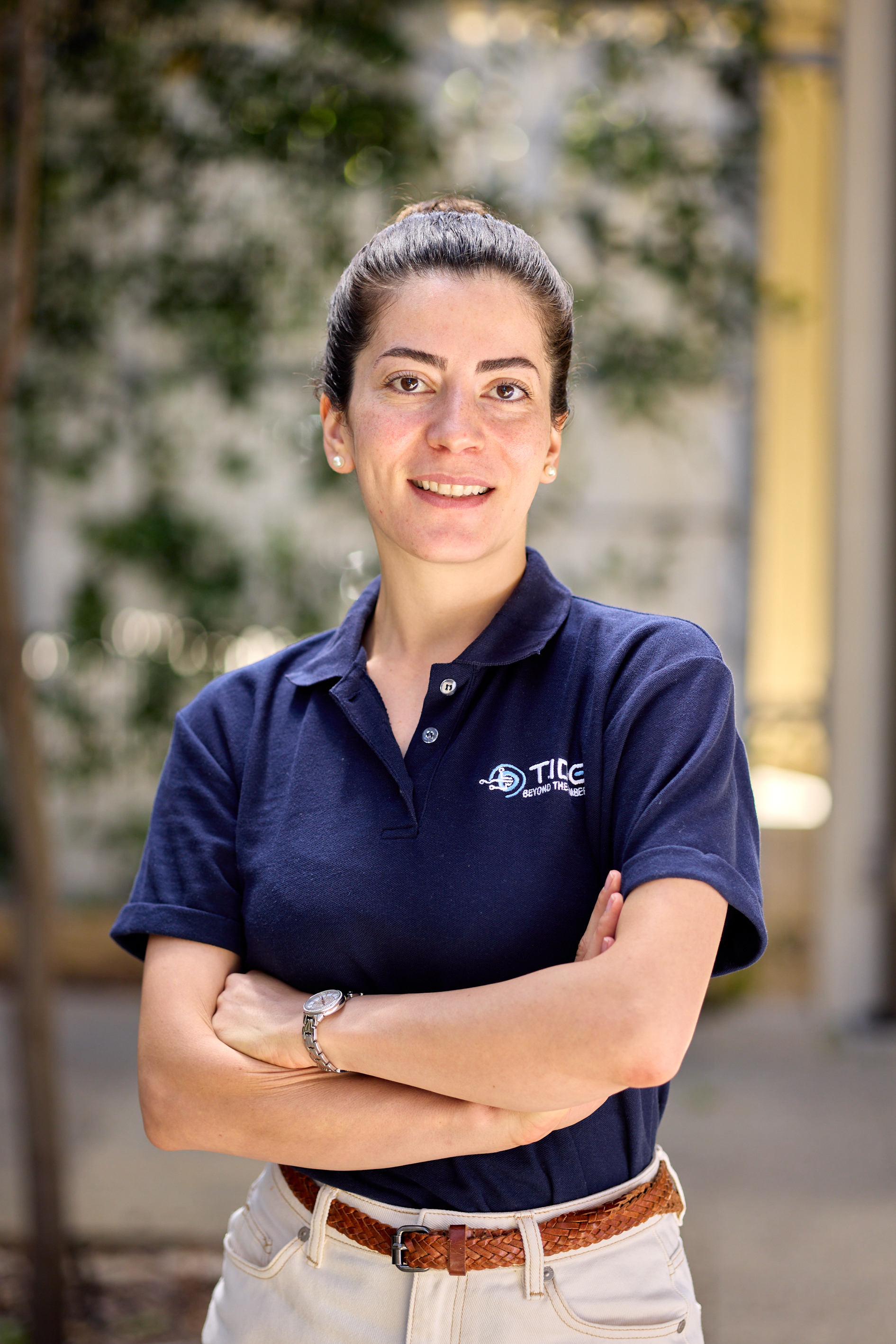
Michelle Heupel headshot

Michelle Heupel

Executive Director, Integrated Marine Observing System (IMOS)

Australia’s Integrated Marine Observing System (IMOS) is a research infrastructure with the objective of collecting sustained ocean observations. Since 2006, IMOS has been routinely operating a wide range of observing equipment throughout coastal and open oceans, making all of its data accessible to the marine and climate science community, other stakeholders and users, and international collaborators.

Observations collected by IMOS are made freely available via the Australian Ocean Data Network. These data holdings include long time-series of essential ocean variables including physical, biological, biogeochemical and atmospheric variables.

IMOS data are used in a range of applications including coastal, ocean, weather and climate modelling which are crucial to understanding patterns and trends. Ocean observations and model outputs play a critical role in supporting decision-making in a wide range of fields, including fishing, aquaculture, shipping, oil and gas, offshore energy, maritime safety, defence and resource management.
Long-term, sustained ocean observations also support our understanding of how climate change is affecting critical ecosystems and species. Therefore, there is an integral link between ocean observing data, research, and effective decision-making to improve ocean management and sustainable use. Understanding the state and trends of our oceans is critical to defining and measuring change in our ecosystems now and into the future.

David Antoine headshot

David Antoine

Professor, School of Earth and Planetary Sciences, Curtin University

Earth system models (ESMs) have been used for decades to assess the future state of ocean ecosystems in response to global environmental and climate-change-driven pressures. International intercomparison exercises involving large numbers of these complex, computationally expensive tools reveal that they are generally consistent in the trajectories they predict for the physical state of the atmosphere and ocean (e.g., temperature, upper-ocean mixing, wind speed). They diverge substantially, however, in projections of phytoplankton primary production, not only in the magnitude of change but also in its direction. This primary production fuels the entire ocean ecosystem and contributes to the regulation of oceanic CO₂ uptake, and is therefore key to quantify.

Several decades of satellite observations of ocean physical and biological properties are now available, literally representing billions of observations. They enable the development of a complementary approach to ESMs, in which the impact of physical drivers on phytoplankton primary productivity is quantified using machine learning techniques trained exclusively on these observations. The trained models can then be driven by projections of physical variables provided by ESMs, generating projections of the phytoplankton response under different emissions scenarios. We will illustrate such developments with an example application to the Southern Ocean.
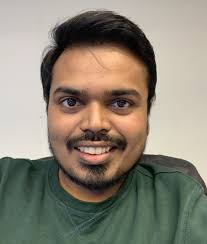
Chris Eastwell headshot

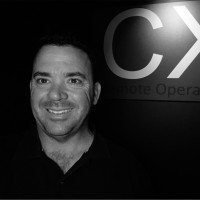
Chris Eastwell

Managing Director, Capability X

CX Protect is a risk control and decision making system that combines multiple computer vision, edge computing and control / AI software to understand and monitor environments and provide real-time alerts for risks to people, property, and plant. It represents a step change in industrial safety and operational efficiency within complex marine and logistics settings.

This talk will present real-world case studies demonstrating how data-driven technologies can improve safety outcomes, reduce operational risk, and drive cost efficiencies in port and offshore environments. It will also highlight the collaboration between agile small-to-medium enterprises—capable of rapidly developing and deploying advanced technologies—and leading research institutions such as UWA and the UWA Data Institute, who bring world-class expertise in data science and modelling.

Onkar Jadhav headshot

Onkar Jadhav

Research Fellow, School of Earth and Oceans, University of Western Australia

Global seasonal and climate forecasts provide valuable large-scale ocean information, but their coarse resolution (~25 km) is insufficient for coastal decision-making. Critical processes such as marine heatwaves (MHWs), coastal upwelling, and ecosystem impacts occur at spatial scales of 1-2 km and below.

Running high-resolution regional ocean models to resolve these features is computationally expensive, energy-intensive, and often infeasible for large ensemble forecasting or for longer time periods, particularly in resource-constrained settings.

This talk presents a statistical downscaling framework that efficiently reconstructs high-resolution (2 km) coastal sea surface temperature fields from coarse-resolution forecasts. The approach is designed specifically for:
  • Coastal impact assessment
  • Marine heatwave detection and early warning
  • Ensemble-based seasonal forecasting
  • Long-term climate risk analysis

A case study of the 2011 Western Australian marine heatwave demonstrates that the framework successfully resolves fine-scale coastal anomalies that are absent in coarse global models. Importantly, the method improves detection of extreme temperature events while reducing computational cost by orders of magnitude compared to dynamical downscaling.

By operating in a compressed reduced-order representation, the framework enables storage-efficient ensemble generation and uncertainty quantification without requiring large high-resolution simulation archives, making it suitable for operational deployment.

This UN Ocean Decade endorsed project work contributes to scalable ocean forecasting tools that supports climate resilience, ecosystem protection, and sustainable coastal management.

Edward Cripps headshot

Edward Cripps

Associate Professor, School of Physics, Maths and Computing, University of Western Australia

Academic–industry collaboration in data science offers substantial benefits by combining theoretical rigor with real-world relevance. Academic researchers contribute advanced methodologies, critical thinking, and a focus on long-term innovation, while industry partners provide access to large-scale, high-quality datasets and practical problem contexts. This synergy accelerates the translation of research into impactful applications, fosters innovation, and enhances the employability of graduates through exposure to industry practices.

However, such collaborations also present notable challenges: differences in goals - such as academia’s emphasis on publication versus industry’s focus on proprietary outcomes - can create tension; issues related to data privacy, intellectual property, and confidentiality complicate collaboration; mismatched timelines and communication barriers may hinder progress. Despite these challenges, effective collaboration frameworks, clear agreements, and mutual understanding can enable successful partnerships that advance both scientific knowledge and practical solutions in data science.

Andy Hogg headshot

Andy Hogg

Director, ACCESS-NRI

ACCESS is Australia’s global climate modelling framework, used for climate projections and by the research community. As part of building the next-generation ACCESS model, we are introducing the ACCESS-OM3 ocean-sea ice model. This model incorporates a new coupling framework, improved vertical coordinates, regional and high-resolution options, ice-shelf interaction capability, tides and biogeochemistry. In this presentation I will outline several use cases for this model, and explain how data from this model can support research, machine learning and projections of Australia’s future oceans.
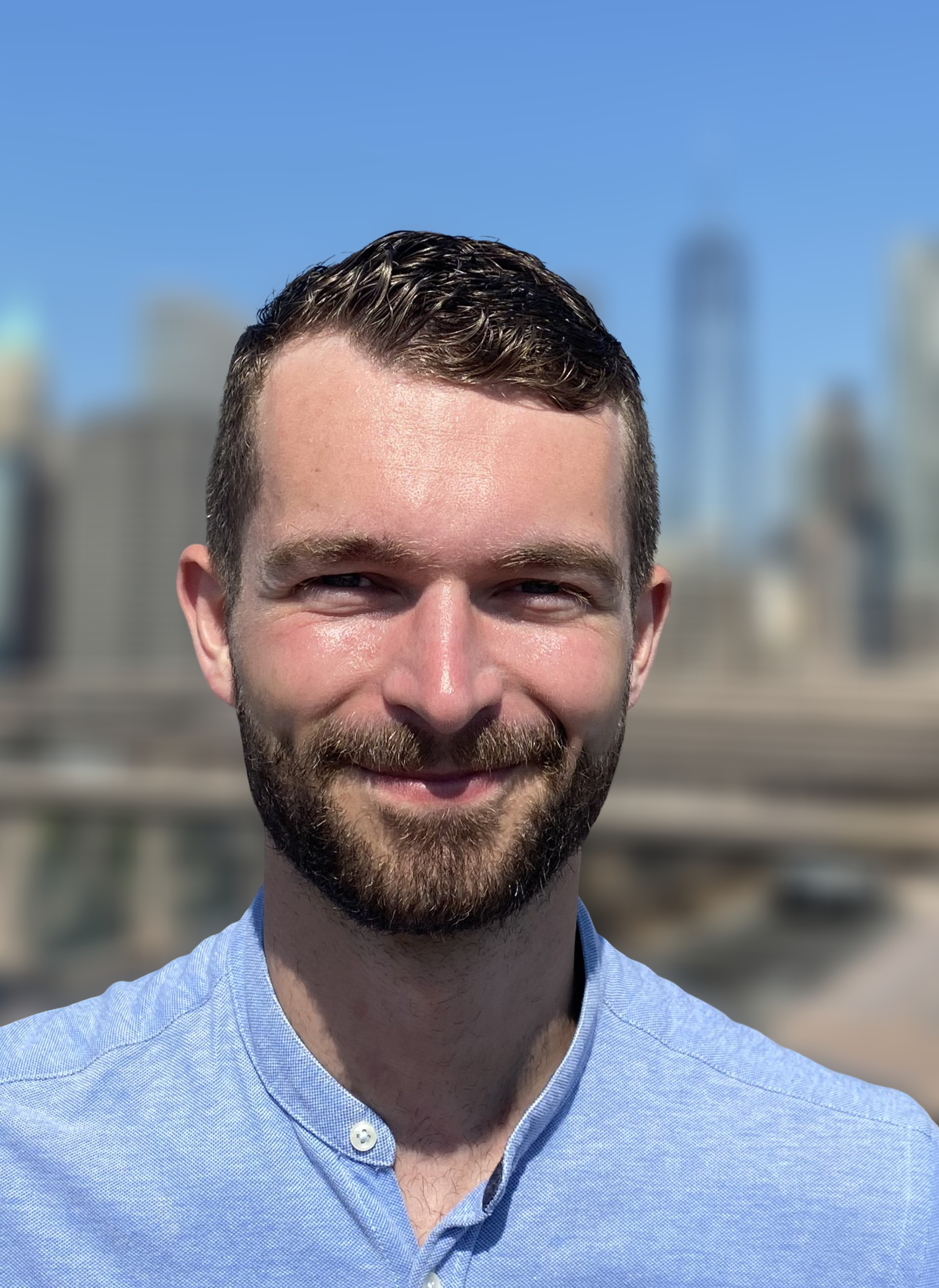
Rick de Kreij headshot

Rick de Kreij

PhD Candidate, ARC Research Hub TIDE, University of Western Australia

Measuring sea surface currents (SSC) directly is challenging. Instead, SSC are often inferred from indirect measurements like altimetry. However, altimetry-based methods only provide large-scale (>100 km) geostrophically-balanced velocity estimates of SSC.

Here, we present a statistical inversion model to predict fine-scale SSC using remotely sensed sea surface temperature (SST) data. Our approach employs Gaussian Process (GP) regression, where the GP is informed by a two-dimensional tracer transport equation. This method yields a predictive distribution of SSC, from which we can generate an ensemble of surface currents to derive both predictions and prediction uncertainties.
Our approach incorporates prior knowledge of the SSC length scales and variances that appear in the covariance function of the GP, which are then estimated from the SST data. The framework naturally handles noisy and incomplete SST data (e.g., due to cloud cover), without the need for pre-filtering.

We validate the inversion model through an observing system simulation experiment (OSSE), which demonstrates that GP-based statistical inversion outperforms existing methods, especially when the measurement signal-to-noise ratio is low. When applied to Himawari-9 satellite SST data over the Australian North-West Shelf, our method successfully resolves SSC down to the sub-mesoscale. We anticipate our framework being used to improve understanding of fine-scale ocean dynamics, and to facilitate the coherent propagation of uncertainty into downstream applications such as ocean particle tracking.

About the conference

Co-hosted by The University of Western Australia’s Oceans Institute and Data Institute, the Oceans of Data Conference will feature keynote presentations, invited talks and opportunities for discussion and networking. The conference will highlight interdisciplinary research and practice spanning oceanography, offshore engineering, data science, machine learning, statistics and related fields, with a focus on applications relevant to research, industry and government.

Call for Speakers

If you work in offshore engineering, oceanography, machine learning, statistics or related areas and are interested in presenting, please contact oceansofdata@uwa.edu.au.

Contact Us